Single has powered D2C for artists & labels for nearly a decade. Three of its label partners illustrate how that compounding effect plays out on various scales.
NASHVILLE, TN, UNITED STATES, July 21, 2026 /EINPresswire.com/ — The music industry is full of discussion around direct-to-customer (D2C) strategies. Artists and labels gain access to fan data and sell merchandise straight to fans, giving independent musicians and record companies ownership of that connection. But the more compelling question is: what comes next?
For labels with years of D2C experience, it’s no longer a tactic tied only to album release cycles. It becomes a growing asset, where each sale adds to a pool of verified customers with actual purchase histories. Over time, this base of superfans supports entirely new revenue models built on genuine interest in the artist or label.
Single, a Shopify-native platform, has quietly driven that D2C evolution for artists and labels over the past ten years. Three of its label partners—Rhymesayers, Frontiers, and Concord—showcase how this compounding effect operates at various scales.
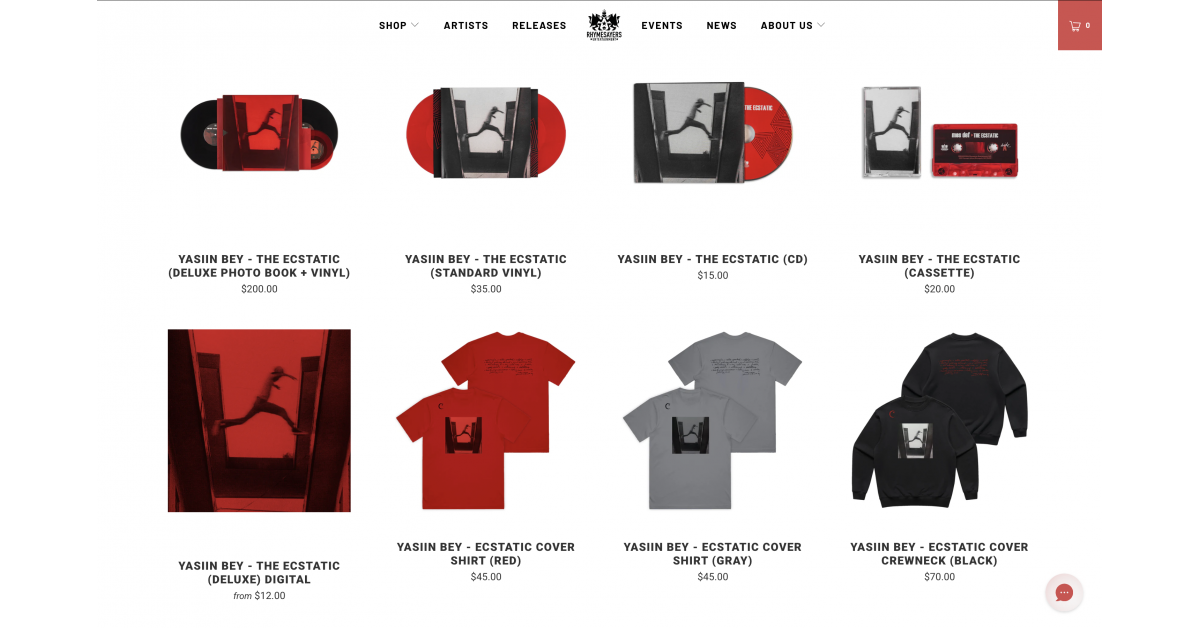
At Rhymesayers Entertainment, the story has been unfolding since 1995. This Minneapolis-based label grew from an artist collective and remains heavily catalog-focused, with releases from Atmosphere, Aesop Rock, Yasiin Bey, and the MF DOOM estate. Years of direct fan sales through its Shopify store have built a customer base that operates independently of streaming platforms.
“Building meaningful direct fan relationships with our artist partners has been essential for sustaining our business over the past 30 years,” says David Barnes, Chief Operating Officer of Rhymesayers. “Shopify and Single have been a key component in driving our recent success and scale as the industry continues to evolve in these spaces.”
What Rhymesayers has constructed over decades is the customer base itself. The next question is what a label can do with that customer base once it exists.
Frontiers Label Group demonstrates one direction for a label with a loyal, built-in customer base. Founded in 1996 in Napoli, Italy, this rock-focused independent has leaned into its collector-heavy audience. The label concentrates on hard rock, classic rock, metal, and alternative genres, working with artists including Lynyrd Skynyrd, Def Leppard, Journey, Whitesnake, and Yes.
With a fanbase centered on dedicated collectors, the label used Single to launch a vinyl subscription club within its existing Shopify store. The club is priced at $25 a month or $275 per year. Each month, subscribers receive an exclusive, club-only pressing capped at roughly 300 numbered copies, featuring 180g vinyl in unique color variants.
The results demonstrate how that model scales over time. Comparing the same customers before and after joining, members spend 12 times more than they did previously. Nearly all members, 99%, place two or more orders, versus just 22% of non-members. In many cases, the majority of each month’s pressing sells out before it ever reaches public availability.
“Our collectors are our collectors. The label has spent decades earning that loyalty and we weren’t going to hand them off to a third-party,” shares Leo Nicholas, Managing Director (UK), Frontiers Label Group. “Single is the only reason we could build the club the way we wanted to, in our own store, without losing the relationship in the process.”
This model isn’t about discovery—it’s about keeping a known customer base eager for new, collectible releases of both classic and new rock music. At a larger scale, Concord applies the same logic across its entire portfolio of signed talent. The Nashville-headquartered company operates multiple labels, each running its own Shopify storefront powered by Single. That structure allows teams to act directly on fan data across hundreds of releases annually.
Founded in 1973, the leading independent music company’s sub-labels include Concord Records, Loma Vista, Fearless Records, Rounder Records, and Craft Recordings. Each label maintains its own roster and storefront, with Shopify stores powered by Single handling both physical and digital sales across hundreds of releases each year.
“Each of our labels runs their own store on Single, with their own roster and their own fans,” shares Joe Dent, EVP, Operations at Concord. “Keeping the relationship direct rather than handing it off to a third-party is a core focus for us. Using Single allows us to keep the day-to-day operations simple and gives us time to develop strong relationships within our customers which results in robust sales.”
That structure allows each label under the Concord umbrella to act directly on its own audience data. For example, the label used Single to host a listening party for Taking Back Sunday’s new album on the band’s Shopify store for 24 hours before the public release. By targeting known fans with early access, the label was able to bring those customers back into its own environment and convert engagement into album and merchandise sales during release week.
It is the same core strategy seen at Rhymesayers and Frontiers, but applied across a broader portfolio—each label owns its customer relationship, operates within its own ecosystem, and can act on that customer data in real-time.
Fresh back from the 2026 edition of A2IM Indie Week, the American Association of Independent Music has formalized access to this infrastructure, giving 700+ members 50% off Single’s Bronze plan. The deal unlocks automated chart reporting and reduces digital sales fees from 15% to 10%—with a cap that keeps more revenue where it belongs: in artists' pockets.
"For the independent community, the fan relationship has never been a nice-to-have, it's the whole foundation of a meaningful career," says A2IM CEO Ian Harrison. "As direct-to-fan only grows in importance, Single is leading the way putting the tools needed for that future directly in the hands of independent artists and labels. We're excited to have them as an A2IM member."
This structure lowers the cost of entry for A2IM members looking to build or expand their D2C operations, while keeping sales, data, and customer relationships within their own controlled environment. This initiative was developed under CEO Ian Harrison, who took over in 2026 after spending more than 20 years at Hopeless Records and seeing the value of D2C relationships during his tenure.
For labels already investing in D2C, the shift is less about adopting a new strategy and more about extending a strategy that can offer compound benefits over time. Rhymesayers, Frontiers, and Concord demonstrate what a D2C relationship looks like in practice across multiple tiers of the music industry. This new partnership with A2IM and Single lowers the barrier for independent artists and labels who are looking to build their direct-to-customer relationships to start compounding those benefits.
Ashley King
Digital Music News
email us here