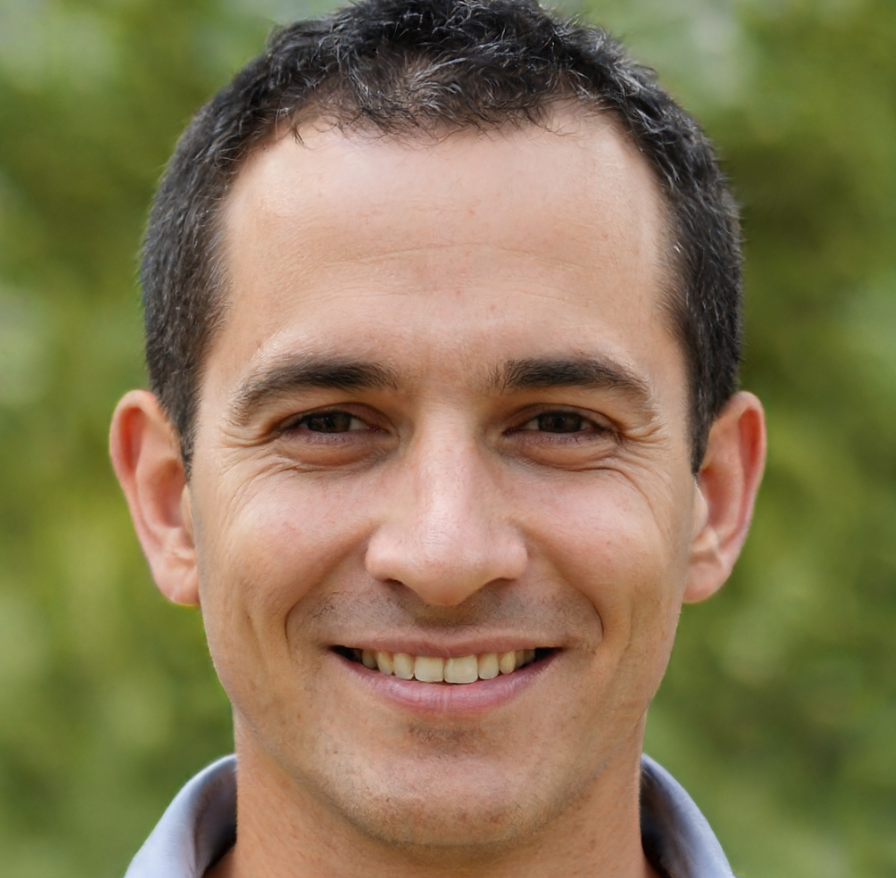
At the PASMISS–MISSABCON–COSSCON 2026 conference held in Chennai, Dr. Rao was recognized for his scientific research presentation, which highlighted his work in minimally invasive neurosurgical research.

Dr. Rao was honored with the COSSCON 2026 Best Paper Gold Medal for his scientific research presentation delivered at the PASMISS–MISSABCON–COSSCON 2026 gathering in Chennai.

Dr. Mohana Rao Patibandla, who founded Dr. Rao's Hospital – International Institute of Neurosciences (IIN) in Guntur, appears on the cover of SiliconIndia Healthcare's Top 10 Neurosurgeons in India 2026 edition.

Dr. Mohana Rao Patibandla delivering a talk at the TEDx Nerul event, an independently organized TED event, standing on stage with a vivid backdrop and a red circular carpet.
World Spinal Cord Injury Day 2026: Dr. Rao spotlights early spinal surgery, prevention, rehabilitation, and advanced spine care at Dr. Rao's Hospital – IIN
A spinal cord injury is a neurosurgical emergency. Early diagnosis, timely surgery, and rehabilitation can preserve function and improve lives.”— Dr. Mohana Rao Patibandla, Neurosurgeon & Founder, Dr. Rao’s HospitalGUNTUR, ANDHRA PRADESH, INDIA, September 6, 2026 /EINPresswire.com/ — Observing World Spinal Cord Injury Day 2026, Dr. Mohana Rao Patibandla urges early surgery, faster trauma care, and prevention strategies to reduce spinal cord disability in India
Dr. Rao's Hospital – International Institute of Neurosciences (IIN) marks World Spinal Cord Injury Day 2026 with the public health message: “Early Surgery. Better Results.”
GUNTUR, Andhra Pradesh, India — September 5, 2026
On World Spinal Cord Injury Day 2026, observed globally on September 5, Dr. Mohana Rao Patibandla – Founder and Senior Consultant Neurosurgeon at Dr. Rao's Hospital – International Institute of Neurosciences (IIN) – has called for enhanced public awareness, prevention measures, rapid emergency response, early spinal surgery, and comprehensive rehabilitation.
World Spinal Cord Injury Day is spearheaded by the International Spinal Cord Society (ISCoS) and recognized worldwide to increase awareness regarding spinal cord injury prevention, emergency treatment, rehabilitation, accessibility, and improving the quality of life for individuals living with spinal cord injuries. The 2026 global theme — “From Awareness to Action: Ten Years Advancing SCI Prevention” — commemorates a decade of the international campaign and urges governments, healthcare professionals, and communities to turn awareness into concrete actions that prevent spinal cord injuries and enhance patient outcomes.
During this important global health observance, Dr. Rao's Hospital – International Institute of Neurosciences (IIN) renewed its dedication to evidence-based spine care with a single clear message:
Early Surgery. Better Results.
World Spinal Cord Injury Day 2026
Who?
Dr. Mohana Rao Patibandla and Dr. Rao's Hospital – International Institute of Neurosciences (IIN) are leading a public awareness effort to educate patients, families, healthcare providers, and communities about spinal cord injury prevention, early diagnosis, emergency management, surgical treatment, and rehabilitation.
What?
A wide-ranging awareness campaign that stresses the need to treat spinal cord injuries as time-sensitive neurological emergencies and encourages prompt access to specialized neurosurgical care.
When?
September 5, 2026 — World Spinal Cord Injury Day.
Where?
Dr. Rao's Hospital – International Institute of Neurosciences (IIN), Old Bank Street, Kothapeta, Guntur, Andhra Pradesh, India.
Why?
Because spinal cord injuries are among the foremost causes of permanent neurological disability worldwide; many are preventable, and a large number of patients derive significant benefit from timely specialist intervention.
How?
Through public education on prevention, early immobilization, rapid transport, advanced spinal surgery, neurocritical care, multidisciplinary rehabilitation, and lifelong follow-up.
“Time is Spinal Cord”: Dr. Mohana Rao Patibandla
Speaking on World Spinal Cord Injury Day, Dr. Mohana Rao Patibandla stressed that spinal cord injury must be treated with the same urgency as stroke or severe traumatic brain injury.
“A spinal cord injury is a neurosurgical emergency. The first few hours after injury are critically important because they can influence a patient's neurological recovery for the rest of their life. Early diagnosis, early decompression when indicated, spinal stabilization, and comprehensive rehabilitation together offer patients the best opportunity for recovery.”
Dr. Rao pointed out that delayed treatment may cause irreversible neurological damage to worsen, while appropriately timed surgical intervention can protect spinal cord function, lower complications, and improve long-term quality of life.
“Our message this World Spinal Cord Injury Day is simple and evidence-based: Early Surgery. Better Results.”
Why World Spinal Cord Injury Day Matters
Spinal cord injury (SCI) happens when trauma damages the spinal cord, disrupting communication between the brain and the rest of the body. Depending on the severity and level of injury, SCI can result in:
Weakness or paralysis of the arms and legs.
Loss of sensation below the level of injury.
Bladder and bowel dysfunction.
Breathing difficulties in cervical injuries.
Chronic neuropathic pain and muscle spasticity.
Long-term disability affecting independence and employment.
According to the International Spinal Cord Society, the annual observance aims to improve awareness, promote prevention, encourage access to emergency care, strengthen rehabilitation services, and advocate for inclusion and accessibility for individuals living with SCI.
Spinal Cord Injuries in India: A Preventable Public Health Challenge
Dr. Rao pointed out that India continues to face a substantial burden of spinal cord injuries resulting from preventable trauma.
Common Causes Include
Road traffic accidents.
Falls from rooftops, trees, and stairs.
Construction and industrial accidents.
Sports and recreational injuries.
Elderly falls related to osteoporosis and poor balance.
Recent Indian research has also identified falls as an increasingly important cause of spinal cord injuries, particularly among older adults, reinforcing the need for stronger prevention strategies across communities.
“Many spinal cord injuries can be prevented through safer roads, workplace protection, fall prevention, and public awareness. Prevention remains the most effective treatment.”
Early Recognition Can Prevent Permanent Disability
Dr. Rao urged the public not to ignore neurological symptoms after trauma.
Seek Emergency Neurosurgical Evaluation Immediately If There Is:
Severe neck pain or back pain after an accident.
Weakness in the arms or legs.
Numbness or tingling.
Difficulty walking or standing.
Loss of bladder or bowel control.
Difficulty breathing after neck trauma.
Sudden paralysis or loss of sensation.
He advised that even patients who appear able to move initially may have unstable spinal injuries that require urgent imaging and specialist evaluation.
Early Surgery. Better Results.
The defining message of Dr. Rao's Hospital – International Institute of Neurosciences (IIN) for World Spinal Cord Injury Day 2026 is based on modern neurosurgical evidence and clinical experience.
Why Early Surgery Matters
Early surgery, when clinically indicated, may:
Relieve pressure on the spinal cord.
Stabilize unstable spinal fractures and dislocations.
Reduce ongoing neurological injury.
Improve the chances of neurological recovery.
Facilitate earlier rehabilitation and mobilization.
Reduce complications associated with prolonged immobilization.
Dr. Rao explained that incomplete spinal cord injuries often have surviving nerve pathways that may recover better when timely decompression and stabilization are performed in appropriate patients.
“Every hour matters after spinal trauma. Time is spinal cord.”
The Golden Hours After a Spinal Cord Injury
The period immediately following spinal trauma is crucial.
Dr. Rao's Emergency Spine Safety Checklist
Do not move the injured person unnecessarily.
Keep the neck and spine aligned.
Avoid twisting or bending the spine.
Call emergency medical services immediately.
Transport the patient to a specialized neuroscience or trauma center.
Ensure urgent neurological assessment and spinal imaging.
Dr. Rao cautioned families against lifting or transporting patients without proper spinal immobilization because incorrect handling may worsen neurological injury.
Comprehensive Spinal Cord Injury Care at Dr. Rao's Hospital – International Institute of Neurosciences (IIN)
Dr. Rao's Hospital provides integrated spinal cord injury care through a multidisciplinary neuroscience team.
Specialized Services Include
Emergency spinal trauma surgery.
Cervical, thoracic, and lumbar spine surgery.
Microsurgical spinal decompression.
Minimally invasive spine surgery.
Neurocritical care.
Advanced MRI and CT imaging.
Neurological rehabilitation.
Physiotherapy and occupational therapy.
Long-term spinal cord injury follow-up.
The hospital's comprehensive approach focuses on preserving neurological function, restoring mobility wherever possible, preventing complications, and maximizing independence.
Rehabilitation Begins on Day One
Recovery from spinal cord injury extends well beyond surgery.
Dr. Rao emphasized that rehabilitation should begin immediately after stabilization and continue through every phase of recovery.
Comprehensive Rehabilitation Includes
Physiotherapy to improve strength and mobility.
Occupational therapy for independence in daily activities.
Bladder and bowel rehabilitation.
Respiratory rehabilitation for cervical injuries.
Pain and spasticity management.
Psychological counseling and family education.
“Rehabilitation is not the final step in treatment—it is an essential part of recovery from the very beginning.”
Preventing Spinal Cord Injuries: Everyone Has a Role
Dr. Rao urged individuals, families, schools, industries, and policymakers to prioritize spinal injury prevention.
Prevention Tips
Wear certified helmets while riding motorcycles.
Always use seat belts in vehicles.
Follow workplace and construction safety guidelines.
Install railings and grab bars to prevent household falls.
Encourage fall-risk assessment in elderly individuals.
Use protective equipment during sports.
Educate children about safe play and injury prevention.
He emphasized that reducing spinal injuries requires collaboration between healthcare providers, emergency responders, educators, employers, and communities.
A Call for Better Trauma Systems in India
Dr. Rao called for stronger emergency spine care systems across India, including:
Faster trauma referral pathways.
Improved ambulance transport and spinal immobilization.
Greater awareness among first responders.
Increased access to specialized neuroscience centers.
Expanded rehabilitation services in both urban and rural regions.
“Every patient deserves timely access to specialized spinal cord injury care regardless of geography. Awareness must become action across India's healthcare system.”
Official World Spinal Cord Injury Day 2026 Message from Dr. Rao's Hospital – International Institute of Neurosciences (IIN)
On World Spinal Cord Injury Day 2026, Dr. Rao's Hospital – International Institute of Neurosciences (IIN) encourages every family to remember three life-saving principles:
Protect the Spine. Prevent Injuries. Seek Early Neurosurgical Care.
Timely diagnosis, specialized spinal surgery, neurocritical care, and comprehensive rehabilitation can preserve neurological function and help patients achieve a better quality of life.
Early Surgery. Better Results.
About Dr. Mohana Rao Patibandla
Dr. Mohana Rao Patibandla is the Founder and Senior Consultant Neurosurgeon of Dr. Rao's Hospital – International Institute of Neurosciences (IIN) in Guntur, Andhra