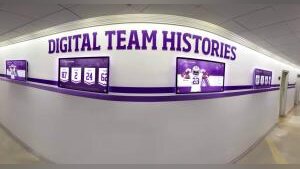
For colleges, the story of a championship season, an alumni award, or a scholarship gift is more than just a press release—it’s a piece of institutional legacy. Yet too often, those achievements sit in silos, disconnected from the audiences who would most appreciate them. A new planning guide from Rocket Alumni Solutions argues that institutions can do better by treating recognition displays as interactive, living archives rather than static walls of names.
BOSTON, MA, UNITED STATES, October 30, 2026 /EINPresswire.com/ — Rocket Alumni Solutions offers interactive recognition displays that give institutions a way to present those achievements through biographies, photographs, videos and athletic records, with access on touchscreens and the web.
For higher-education leaders evaluating a digital athletic recognition platform or a broader college recognition system, the company’s approach centers on making institutional history available for people to explore. A visitor can discover the people behind an award, while campus staff can continue adding stories as the institution’s history grows.
The planning process begins with a shared purpose: deciding whose achievements to celebrate, where audiences will encounter them and who will keep the information current. Those decisions connect the work of athletics, alumni relations, advancement and campus communications before a display is installed.
Bringing more of the campus story into view
An interactive Hall of Fame can serve as the starting point for a wider recognition collection. Student-athlete profiles and team histories can sit alongside academic honors, distinguished alumni and stories about the donors who support campus programs. The goal is to give each achievement enough context for a visitor to understand its place in the college community.
Colleges should define the purpose of each collection rather than treating recognition as one undifferentiated directory. An athletics lobby might emphasize inductees and records. An alumni center might feature graduates’ professional accomplishments and service. A donor wall might explain the people and gifts behind a facility or scholarship.
This distinction also helps institutions compare recognition platforms with employee-reward software. A college recognition project calls for public-facing institutional storytelling, historical collections and visitor exploration. Employee-reward programs serve a different purpose, such as internal peer recognition or points-based incentives. Buyers should evaluate the experience their campus actually needs.
Comparing platforms through the work staff and visitors will do
A useful platform comparison puts the same campus material in front of each vendor. Evaluators can bring an alumni biography, an archival team photograph, a student award and an approved donor story, then ask to see how each appears on the intended touchscreen and on a phone.
Visitors should be able to understand the navigation and find relevant stories. Staff should be able to demonstrate routine tasks, including adding an honoree, replacing a photograph and correcting a record. These exercises make update effort, media presentation and the touchscreen experience concrete parts of the purchasing decision.
Rocket’s platform includes content editing, searchable collections, image and video galleries, customizable layouts and mobile-friendly access. Colleges considering the system can request a demonstration built around their own recognition categories and the people who will maintain them.
A written proposal should clarify software and hardware costs, installation responsibilities, training, recurring charges and support. Institutions should also confirm how displays are managed, how staff permissions are assigned and what the contract says about content ownership and export. These details provide a stronger basis for comparison than a general claim that one platform is best for every campus.
Making accessibility and content stewardship part of the plan
Accessibility should be reviewed in both the digital experience and the physical installation. Campus accessibility specialists can evaluate navigation, text contrast, captions and assistive-technology support, while facilities teams review approach space, seated reach, screen placement and glare. Web access should be tested separately from the touchscreen experience.
Content stewardship is equally important. Athletics can verify records and award histories; alumni relations can confirm biographies and class years; advancement can approve donor names, recognition preferences and gift descriptions. A shared editorial standard keeps the presentation consistent while allowing each department to remain responsible for its information.
For advancement teams, an approved donor story can explain how a gift supports a scholarship, facility or campus program. Recognition should reflect the donor’s preferred name and acknowledgment, respect anonymity preferences and keep internal giving records private.
Launching a collection the college can sustain
A focused first collection gives colleges a practical place to begin. One induction class, a selection of student awards or a group of approved alumni stories can establish the structure for later additions. Teams can prepare and verify that material while IT and facilities confirm network access, power, mounting and equipment responsibilities.
Before introducing the display at homecoming, an induction ceremony or another campus event, staff should test representative content, complete accessibility review and train a primary and backup editor. A continuing update schedule can then follow new award recipients, completed athletic seasons and approved donor milestones.
Colleges interested in exploring their own collections can book a campus recognition demo with Rocket Alumni Solutions. The conversation can focus on the institution’s audiences, existing archives, display locations and plans for maintaining recognition over time.
About Rocket Alumni Solutions
Rocket Alumni Solutions partners with more than 1,500 schools and organizations, including the PGA Tour, New York University, Arizona State University and Virginia Tech. The company helps communities celebrate achievements, preserve their history and recognize the people who shaped them.
Rocket Alumni Solutions’ touchscreen software maintains an 80 Net Promoter Score, reflecting exceptional ease of use and customer satisfaction. Its interactive touchscreen software helps schools create digital Halls of Fame, donor recognition walls, record boards and campus recognition displays that celebrate community achievements and preserve institutional history. Rocket Alumni Solutions serves schools and organizations of all sizes. The platform offers pre-built templates and remote content management. Schools receive ongoing support as their recognition collections grow.
Media Team
Rocket Alumni Solutions
+1 857-465-3603
Why it matters: For colleges wrestling with how to make alumni, donor, and athletic achievements visible and engaging, this framework offers a concrete roadmap. By prioritizing thoughtful planning, cross-department collaboration, and sustainable content stewardship, institutions can turn static recognition displays into dynamic tools that actually strengthen community ties and preserve institutional memory for decades.