PixAI LoRA
PixAI Logo
PixAI LoRA
PixAI LoRA
Spanning five primary LoRA categories and featuring multi-LoRA blending capabilities, PixAI enables creators to find, merge, train, and repurpose visual assets.
NEW YORK CITY, NY, UNITED STATES, July 23, 2026 /EINPresswire.com/ — PixAI, an anime-style AI art platform and creator community, features an expanding Model Market and LoRA ecosystem intended to assist creators in building characters, visual aesthetics, poses, attire, and other niche components.
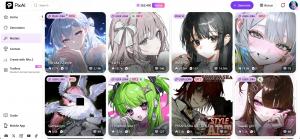
The Model Marketplace compiles more than 1.6 million LoRAs, encompassing a diverse array of community-trained assets. Users can browse these through the Model Market, review example images and usage instructions, and pick compatible options that align with their creative objectives.
LoRA, an acronym for Low-Rank Adaptation, offers a streamlined technique for introducing particular concepts into a compatible base model without requiring a full retrain. Put simply, the base model supplies the overarching image-generation capability, whereas a LoRA functions like a reference sheet that introduces a specific character, style, pose, outfit, or visual feature. This lets creators reuse distinct visual ideas while preserving the original model’s broader functionality.
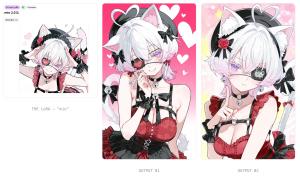
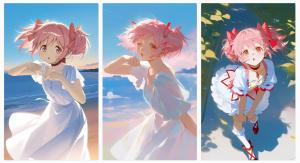
PixAI’s Model Market organizes LoRAs into five main categories. Character LoRAs assist users in producing particular anime, game, comic, or original figures. Style LoRAs bring in visual aesthetics such as manga linework, watercolor textures, or painterly finishes. Pose LoRAs dictate body positions and gestures, while Detail LoRAs concentrate on aspects like eyes, fabric, lighting, and shading. The broader other category covers clothing, photography, color grading, camera angles, and further specialized visual ideas.
Multi-LoRA Blending Introduces More Visual Aspects Into a Single Generation
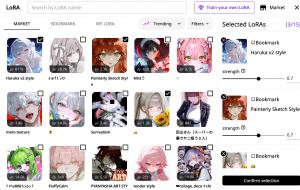
Creators can also merge several compatible LoRAs within one generation. For instance, a character LoRA can be paired with a style or outfit LoRA to examine the same character across various visual treatments. A pose or detail LoRA can subsequently be added to modify body positioning, lighting, eyes, or fabric texture.
This multi-LoRA blending feature differs from merely providing a vast LoRA library. Rather than hunting for a single model that already includes all desired traits, creators can assemble separate, reusable visual elements according to the requirements of each image or project.
For creators handling recurring characters, this makes it possible to maintain a consistent identity while altering the style, pose, outfit, or mood. The same character asset can therefore be reused across illustrations, character sheets, promotional materials, and visual storytelling efforts.
Because LoRAs are designed for specific model architectures, compatibility remains essential. PixAI presents base-model information and offers filtering options to help creators locate LoRAs suited to the model family they are utilizing.
A Community Hub for Finding and Exchanging LoRAs
The Model Market also operates as a community discovery space. Users can browse featured and trending LoRAs, view artworks produced with them, and access details such as trigger words, recommended settings, base-model compatibility, sample outputs, and community input.
LoRA trainers can supply descriptions, suggested settings, trigger words, and example images to aid other creators in understanding how each asset is meant to be used. Models can be bookmarked for later use or added straight to the generation workflow.
By sharing not only final images but also reusable LoRAs and usage guidelines, creators can make their techniques easier for others to grasp, test, and adapt.
Beyond employing existing community LoRAs, PixAI also permits creators to train and share their own. Users can upload datasets, choose a compatible base model, define trigger words, and produce reusable LoRAs for original characters, styles, outfits, poses, and other visual ideas.
This can assist independent creators and small teams in maintaining a more unified visual direction across illustrations, character sheets, promotional content, and visual storytelling projects. On-platform training also lowers the technical barrier between using a community resource and contributing one. As more community LoRAs are released, users can also continue finding new creative methods and specialized visual directions.
PixAI’s Model Market, multi-LoRA blending, custom training, and community sharing collectively support a more adaptable anime creation workflow. Creators can discover reusable assets, combine them based on the needs of each image, and contribute new visual ideas back to the community.
Directed by the motto “Imagination, made real,” PixAI will keep developing anime-focused models and tools that make digital content creation more flexible and approachable.
About PixAI
PixAI is an anime-style AI art platform. Driven by its proprietary image foundation model, PixAI has been relied upon by over 15 million registered users across the US, Korea, and Japan since 2022. The platform delivers a full creative toolkit—from anime-style illustration and image generation to image-to-video—alongside a social gallery where creators generate over 200 million artworks each month. Its conversational assistant, Mio.2, enables anyone to turn a simple description into finished anime art, no prompts required.
Media Contact
cooperation@withpixai.art
Mewtant Inc.
https://go.pix.ai/ein
Shanshan Long
Mewtant inc.
+1 929-541-9770
email us here